Istanbul Airport Logistics for Tour Groups: A Planner's Guide
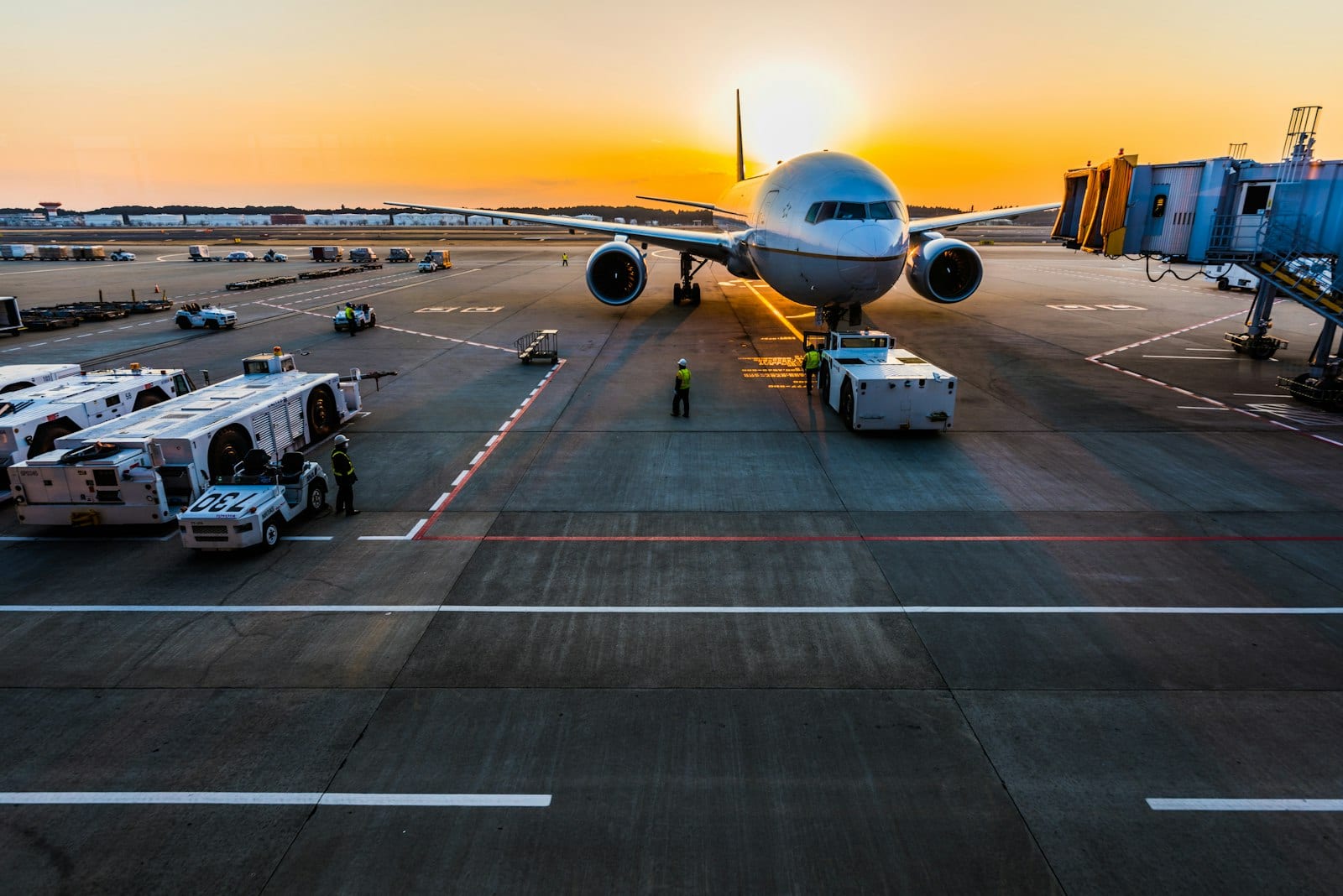
Every tour operator who runs Istanbul groups eventually meets the same problem on the same morning: three flights, four pickups, one coach, one opening-night dinner reservation, and a single delayed flight that threatens all of it. This is a field-tested playbook for the planners we work with most.
The structural problem
Istanbul Airport (IST) opened in 2018 and is now one of the busiest hubs in Europe, regularly handling more than 200,000 passengers a day. It has six runways and a single terminal building on a scale that takes most first-time visitors twenty minutes just to reach the public side of arrivals.
For a tour operator running a group, the airport's scale is a planning constraint in three ways:
- Walking time after touchdown. Mid-terminal gates to arrivals exit can be a 15-25 minute walk for a passenger with luggage, before passport control queues.
- Passport control variance. A landing that hits an immigration shift change can cost 40 minutes of extra wait, where the next flight clears in eight.
- Baggage carousel delays. The carousel-to-bag interval is not flight-controlled; it depends on apron logistics, which the operator never sees.
The combined effect: the time between "wheels down" and "passenger at the meeting point" is not 25 minutes plus aircraft taxiing. It is anywhere from 35 to 90 minutes, and the variance is the planning problem.
What this means for buffer planning
Most operators we work with use a default 45-minute pickup buffer after scheduled arrival. For IST in 2026, that buffer is too tight in three identifiable cases:
- First flight of the morning on a long-haul route (typically 04:30-07:30 arrivals from Asia/Gulf). Passport control queues build before staffing rotates in. Use 60 minutes.
- Friday and Sunday evening peak arrivals (18:00-22:00). Multiple wide-bodies land into the same passport hall. Use 60-75 minutes.
- Any arrival on the day after a major holiday (post-Eid, post-NYE). Operational staffing recovers slowly. Use 75 minutes.
For group itineraries that depend on a fixed downstream commitment (a coach pickup, an opening dinner, a port departure), we recommend planning to the worst-case clearance time of the latest flight in the group, not the average.
Signage and the meeting point
The single biggest source of group confusion at IST is not delay; it is the meeting point. The airport has multiple exits from the international arrivals area, and the layout has been tweaked twice since opening. A group of 30 split between two exits is a 45-minute reassembly problem that no amount of dispatch can solve from the curb.
The protocol that works:
- A single named meeting point that does not change between groups (we use the same one for every operator we run).
- Operator-logo signage at A3 size minimum; A4 is too small to spot across a busy hall.
- The passenger's surname (not first name) on the sign, in capitals, with no decorative font.
- One driver per group of up to eight; a dispatcher for groups of nine or more, with drivers visible behind the meeting point rather than at the curb.
Operator-branded signage is small detail, but it changes a guest's first impression: it tells them you are present, professional, and expected, before they say a word.
The flight-tracking layer
Modern dispatch should track every booked flight in real time and update the driver position accordingly. The naive failure mode is to dispatch on scheduled time and let the driver wait an extra hour at the curb. This is bad for two reasons:
- Curb fee accumulation. IST charges by-the-minute beyond a grace window. A 90-minute curb wait is 90 minutes of meter running.
- Driver fatigue. Drivers waiting in the parking area perform better on the route than drivers idling in the kerbside loop.
The protocol that works: drivers park in the holding zone and only move to the kerb when the flight tracker shows the aircraft has cleared the runway and is taxiing. That gives 8-12 minutes of approach time, which matches the average passenger-to-arrival exit time for a non-stalled clearance.
Cascading delays: the real risk
A group itinerary is a daisy chain. A 40-minute delay at the airport is not a 40-minute delay to the day; it can be a 90-minute delay by the time you cross the city, lose the original coach slot, miss the lunch window and have to re-time the afternoon activity.
Three practical disciplines we apply:
- Decouple coach pickup from final passenger arrival. Use two vehicles where the budget allows: a Vito for the late flight, a coach pre-positioned at the hotel for the on-time arrivals. The late arrival rejoins the group at the hotel, not at the airport.
- Pre-position luggage separately for large groups. A luggage truck paired with the coach removes a 20-minute load step at the airport. Especially useful for cruise pre-tours where bags need to be at the port the next morning.
- Brief the hotel ahead of the latest plausible arrival. If your group is checking in late, the hotel needs to know: early-check-in protocols, lobby seating, refreshments. We do this from dispatch on every late-arrival exception.
The exception-reporting habit
Whatever happens on the day, the operator needs a written record of what actually occurred. We publish exception reports inside 24 hours for every booking that deviated from plan: late pickup, missed connection, lost item, driver complaint. This is not a marketing claim. It is the only way an operator can audit a season's worth of transfers against contracted service levels and make better contract decisions next year.
A short checklist
If you only do five things differently after reading this:
- Buffer 60+ minutes for late-night and post-holiday IST arrivals.
- Use one fixed meeting point per operator. Always.
- Print signage in A3 with surnames in capitals.
- Decouple the late-flight arrival from the rest of the group itinerary.
- Ask your transfer provider for written exception reports, and read them.
Group transfers fail quietly. Nobody reports the smooth ones, and nobody investigates the 25-minute lateness that turned into a 90-minute lunch delay. Build the operating discipline that catches both.
If you are planning Istanbul ground operations for the 2026 season and want a contract-level conversation about how we run this for European operators, our partner desk is at [email protected].